Kattha from Kaju Chhilka (Cashew Peel) & Khair Wood
SS Fabrication designs and supplies complete Kattha and catechin extraction plants from both kaju chhilka (cashew peel / cashew testa) and traditional Khair wood.
Kaju chhilka contains 12–15% catechin + epicatechin by dry weight — the same bio-actives that give premium Khair wood Kattha its value in paan, Ayurveda, nutraceutical and cosmetic applications. Total polyphenols in kaju chhilka reach ~32% by dry weight.
Instead of discarding kaju chhilka as a low-value by-product, our solvent-extraction plants convert it into high-purity Kattha using SS Fabrication's proprietary continuous falling-film evaporator (FFE) system — operating at 45–55°C under vacuum for low steam consumption, 82–90% solvent recovery, and no catechin degradation.
Why Kaju Chhilka Kattha Is a Stronger Business Case Than Khair Wood
- No forest permit: kaju chhilka is generated entirely inside cashew processing factories as waste — no regulatory, seasonal or supply chain risk.
- Year-round availability in all major cashew belts — Kerala, Goa, Maharashtra, Tamil Nadu, Karnataka, Andhra Pradesh and others.
- Lower raw-material cost: kaju chhilka ₹50–60/kg vs ₹80–150/kg for Khair heartwood chips (2025–26 market rates).
- Higher purity potential: solvent extraction with fractional purification achieves 50–70%+ catechin — far above the 30–40% ceiling of conventional Khair water-boiling, opening pharma, nutraceutical and cosmetic markets.
- Better product colour: pale amber to near-white Kattha with SS Fabrication's low-temperature FFE — preferred in premium markets and necessary for pharma/cosmetic buyers.
Typical Yield — Kaju Chhilka to Kattha
With proper grinding, defatting and solvent extraction, 100 kg of well-prepared kaju chhilka yields approximately 8–10 kg of dry Kattha with SS Fabrication's FFE process. Conventional batch-still plants typically achieve only 6–8 kg — a 25–40% yield penalty from thermal catechin degradation at 78°C+.
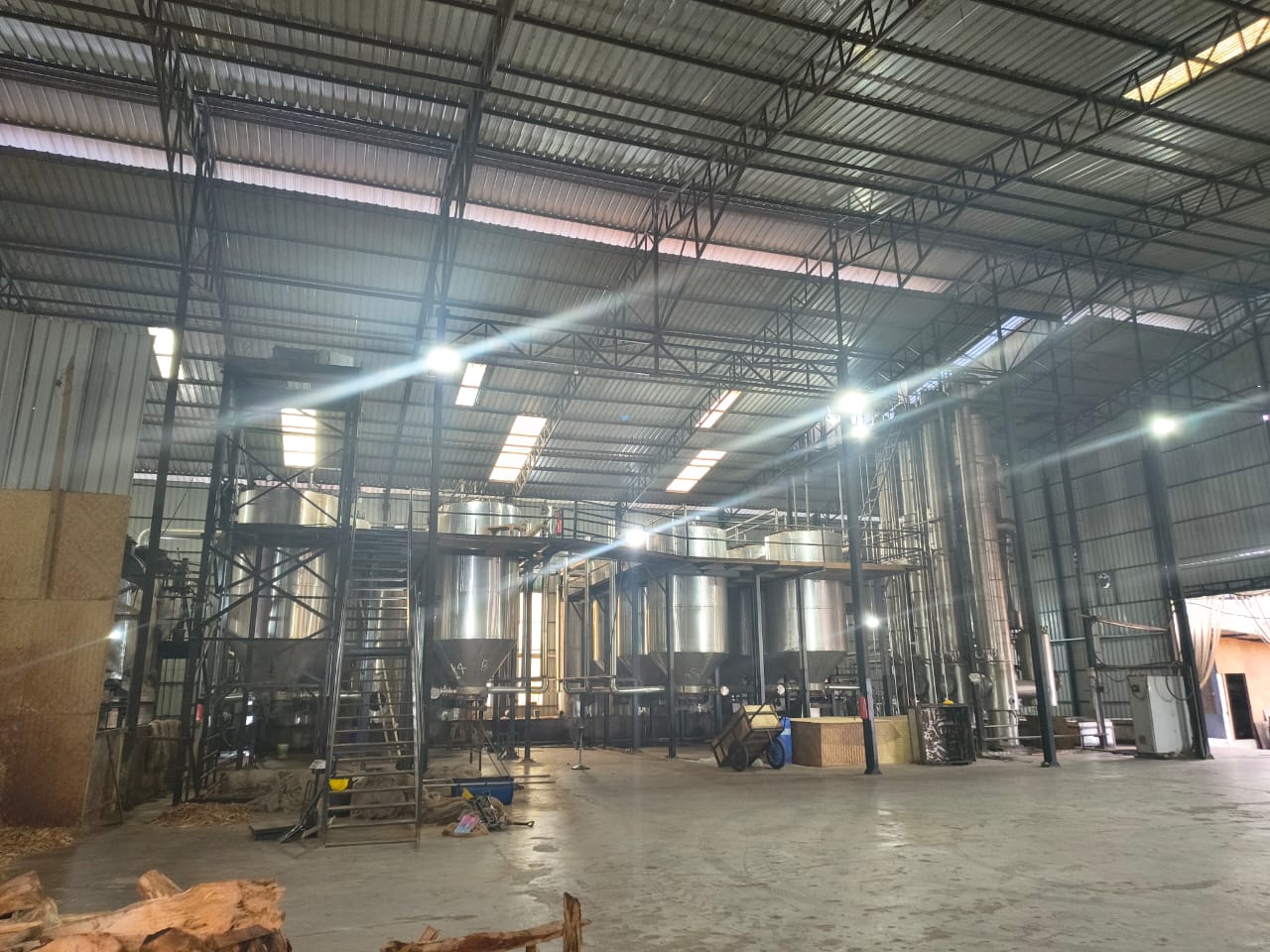
SS Fabrication's kaju chhilka (cashew peel) Kattha extraction plant — Sonipat, Haryana.
Engineering Process Flow Diagrams
Three schematic diagrams below cover the complete kaju chhilka to kattha process — overall plant flow, the defatting sub-system, and the 3-stage counter-current extractor. These reflect SS Fabrication's standard 10 TPD design basis.
Overall Process Flow — Kaju Chhilka to Kattha
8-step conceptual PFD · testa-to-catechin line with solvent recovery and finishing · SS Fabrication 10 TPD basis
Oil / Lipid Defatting Flow
Exact step logic: remove co-extractable lipids before quality-sensitive concentration and finishing · Step 4 detail
3-Stage Counter-Current Extractor (CCE)
3 vessels in series · bottom wedge-wire filtration · testa moves left→right · solvent moves right→left (counter-current) · Step 5 detail
Kaju Chhilka → Kattha: Complete Process Flow
Industry-standard 8-step extraction from raw kaju chhilka (cashew peel / kaju ka chilka) to finished dry Kattha using SS Fabrication's proprietary FFE machinery. Katha plant machinery · Kaju chhilka plant process · Catechin extraction flow
Testa Preparation & Grinding
Feed PreparationOil / Lipid Defatting
SS Fabrication Exclusive3-Stage Counter-Current Solvent Extraction
ExtractionSolid–Liquid Separation
SeparationContinuous FFE Solvent Recovery
Proprietary · Key DifferentiatorCrystallisation
PurificationFilter Press & Cold-Water Washing
Washing & PurificationVacuum Drying & Finishing
Final ProductSS Fabrication Kaju Chhilka Plant — IS 4359 Compliant Output
Pale amber to near-white Kattha, fully defatted, shelf-stable. Suitable for paan, Ayurveda, nutraceutical, pharma and cosmetic markets. See full FFE vs batch still comparison →
Kattha production from kaju chhilka — SS Fabrication plant walkthrough.
Why SS Fabrication's FFE Beats Conventional Batch Distillation Stills
Most competing kaju chhilka Kattha plant suppliers use a batch distillation still for solvent recovery. This operates at 78°C+ — high enough to degrade catechin, produce dark brown product and cap purity at 30–40%. SS Fabrication uses a continuous falling film evaporator (FFE) at 45–55°C under vacuum. The difference in outcomes is significant:
| Parameter | Conventional Batch Still (most competitors) |
SS Fabrication FFE |
|---|---|---|
| Operating temperature | 78°C+ atmospheric | 45–55°C under vacuum |
| Operation mode | Batch — fill / heat / distil / empty | Continuous — no cycle downtime |
| Catechin preservation | Poor — browning & degradation | Excellent — sub-55°C protects catechin |
| Product colour | Dark brown (Maillard browning) | Pale amber to near-white |
| Steam consumption | 1 kg steam / 0.8–1.0 kg solvent | 1 kg steam / 2–3 kg solvent |
| Solvent recovery | 70–80% | 82–90% per pass |
| IS 4359 catechin achievable | 30–40% with difficulty | 50–70%+ readily |
| Yield per 100 kg kaju chhilka | 6–8 kg dry Kattha | 8–10 kg dry Kattha |
Each litre of solvent does 3× the work. Catechin extraction yield improves from 65–75% (batch still) to 88–95% (FFE). Solvent consumption per kg catechin drops ~50%. Full technical comparison →
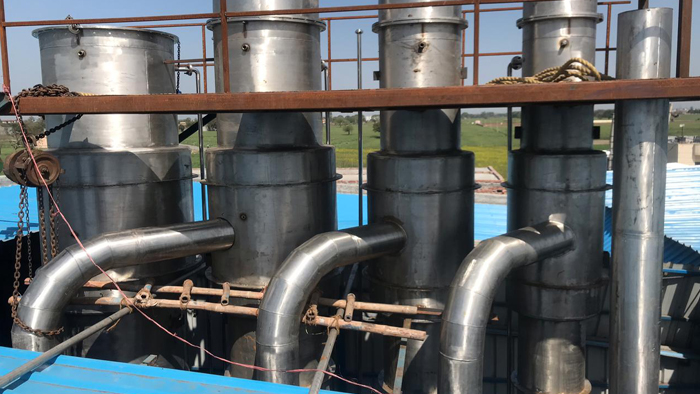
SS Fabrication's continuous falling film evaporator (FFE) — 45–55°C vacuum solvent recovery for zero catechin degradation.
Why Defatting Matters — and Why Most Plants Skip It
Kaju chhilka contains 3–8% co-extractable oils alongside its catechin content. Without an inline defatting step, these oils cause serious product failures: sticky, clumping Kattha with poor shelf life, rancid off-odour within 3–6 months, and automatic rejection by pharma and nutraceutical buyers on peroxide value and free fatty acid tests.
SS Fabrication integrates a single-skid defatting unit (hexane or isopropanol pre-wash) inline with the extraction process — removing 80–95% of co-extractable oils before they reach the extractor. This is not optional for pharma, nutraceutical or cosmetic-grade Kattha. Most competing plant designs omit this step entirely.
Key Equipment in a Kaju Chhilka Kattha Plant
- Pulveriser / hammer mill for kaju chhilka grinding (500–2,000 kg/hr).
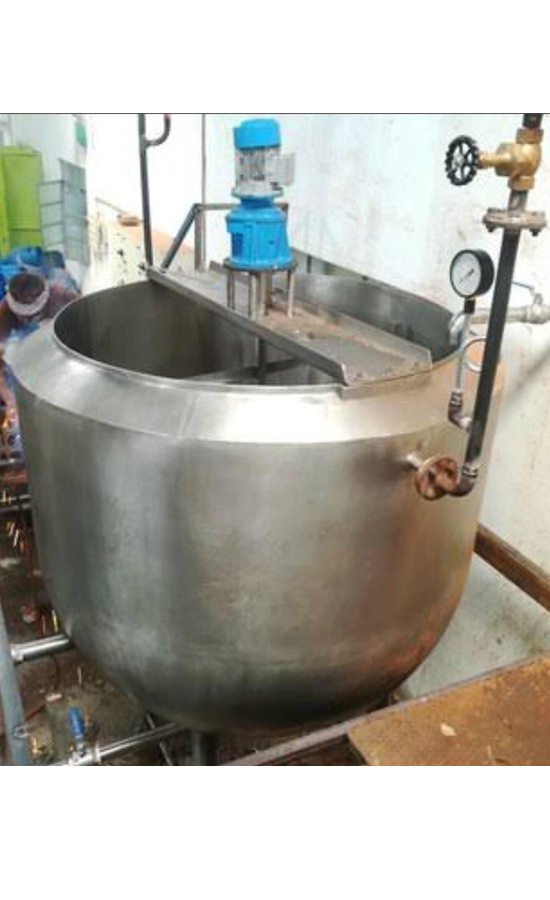
- SS316 jacketed solvent extractors (2,000–20,000 L) with agitators.
- Miscella tanks, membrane filters and plate-and-frame filter presses.
- SS316 falling film evaporator or WVR unit for solvent duty, plus condensers, receivers and vacuum system.
- Crystallisation tanks with cooling coils, vacuum tray dryer and optional spray dryer for high-grade catechin powder.
- Explosion-proof electrical panels, solvent storage, chiller and scrubber systems — meeting ATEX / PESO safety requirements.
Khair Wood Kattha & Cutch Plants
For clients who prefer conventional Khair wood, SS Fabrication also delivers complete Kattha + Cutch plants from 5 TPD to 25+ TPD of Khair heartwood chips — including debarking, chipping, water-boiling extraction, falling-film or WVR evaporation, Kattha crystallisation and Cutch block / powder production.
A typical Khair plant yield is 5 kg Kattha and 14 kg Cutch per 100 kg of good-quality heartwood chips, with catechin content meeting IS 4359:1967 specifications for commercial Kattha.
Turnkey Delivery — What You Receive
- Feasibility study: raw material, capacity, target grade and market review.
- Process design and P&IDs tailored to your testa source and target catechin grade.
- Complete in-house equipment fabrication at Sonipat with full QC.
- Civil and structural layout, foundation and utility connection drawings.
- ATEX / PESO compliant electrical and instrumentation for solvent plants.
- Erection, commissioning, operator training and SOP documentation.
- After-sales support, spare parts and yield-improvement consultancy.
Download the Detailed Technical Brochure
For a complete 30+ page technical guide covering Khair, Cashew Testa and Gambier Kattha plants — including flow diagrams, equipment sizing ranges and investment notes — download our brochure.
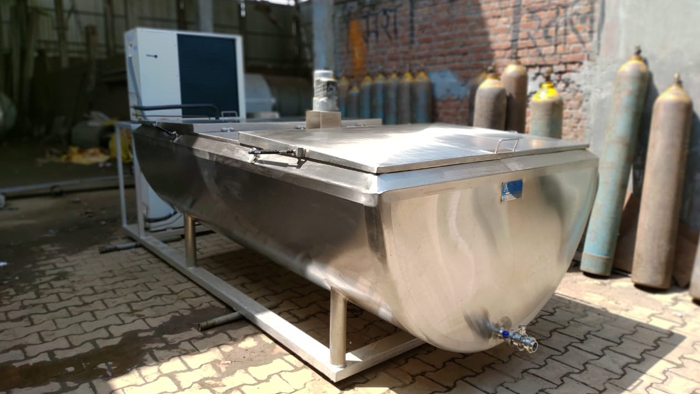
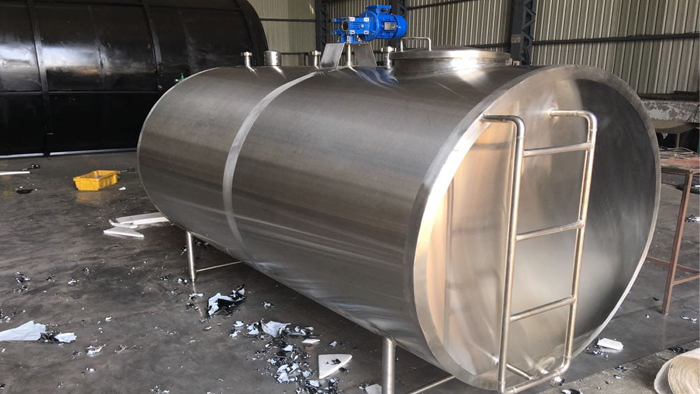
Download Kattha Plant Brochure ↓SS Fabrication manufacturing facility — Sonipat, Haryana. All equipment fabricated in-house.
Project Gallery
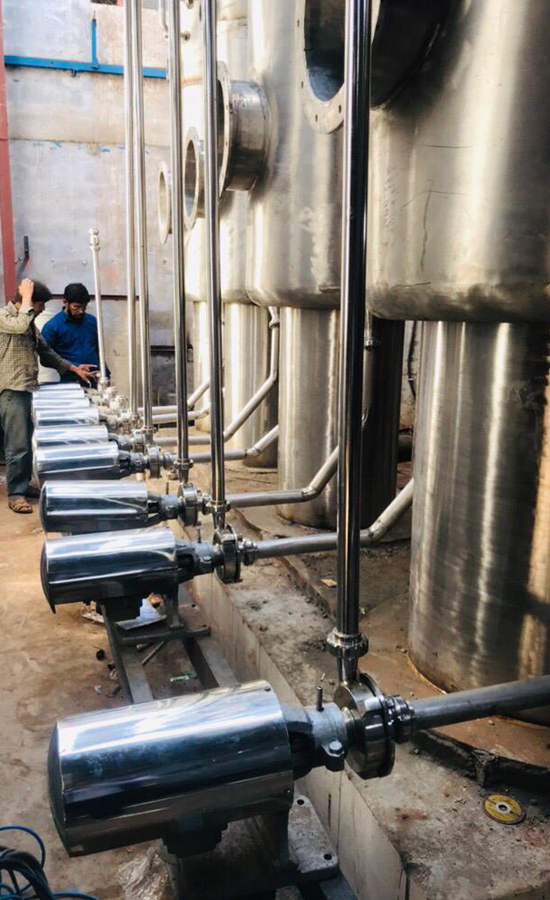
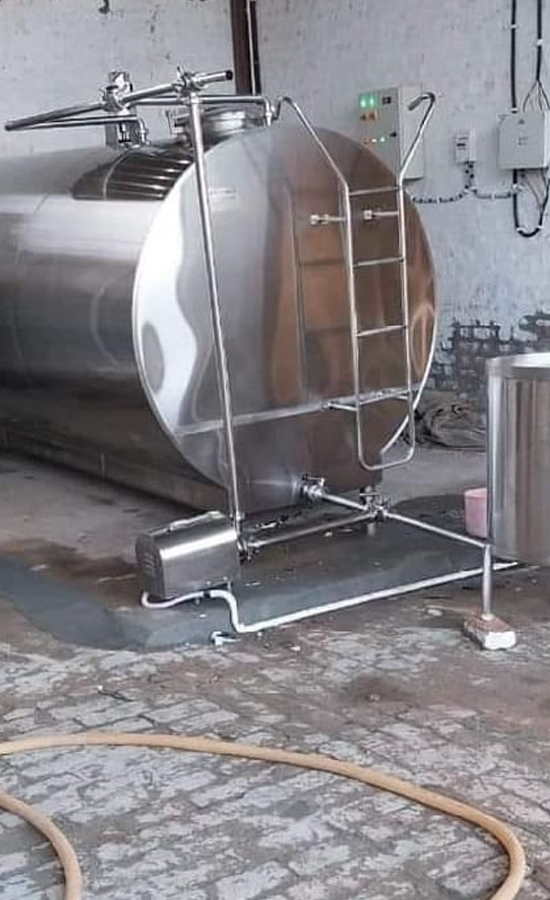
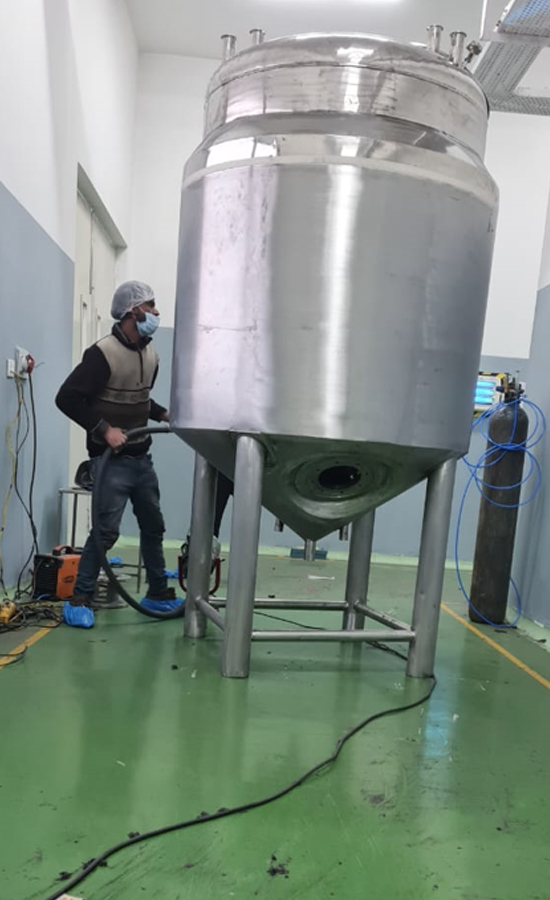
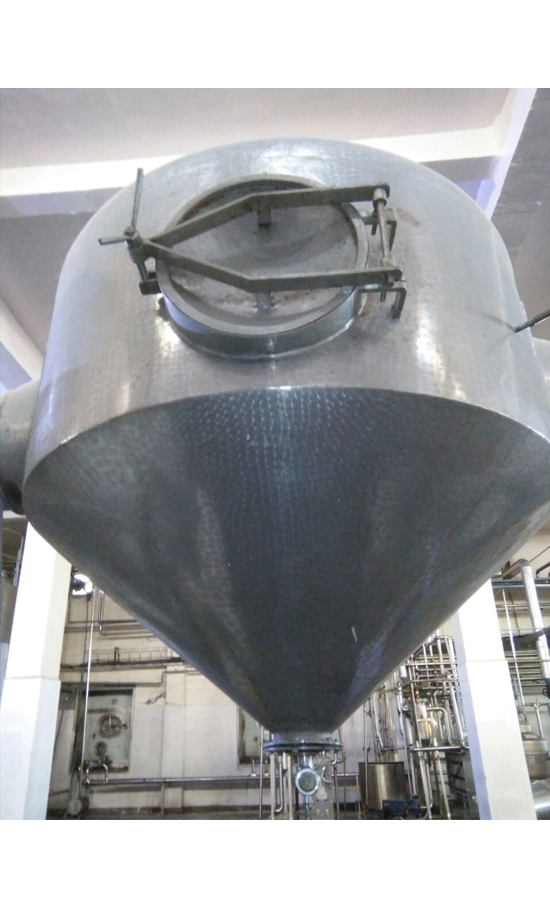
Free feasibility assessment and layout concept.
Share your daily cashew input, estimated testa availability and target product grade — our engineering team will respond within 24 hours.