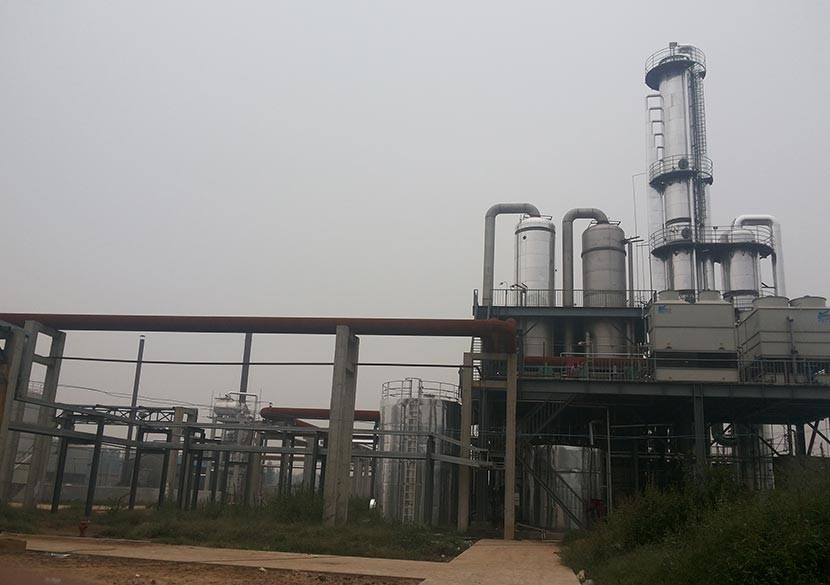
An Overview of the Plant
Formaldehyde is an organic chemical with foundational uses in core industries. The basic raw material is methanol, and the standard production process involves the oxidation and dehydrogenation of methanol in the presence of a silver catalyst.
Where formaldehyde is used
- Plastics: manufacture of thermoset compounds — UF, PF and MF moulding powder.
- Plywood & laminates: bonding compound for wood-based composites.
- Pharmaceuticals: fumigation and disinfection.
- Explosives: bulk consumption as feedstock.
- Downstream chemistries: raw material for hexamine, polyacetal (POM), pentaerythritol, 1,4-butanediol, MMA, pyridine, alpha- and beta-picoline.
Plant Specifications
| Output Concentration | 37–55% formaldehyde solution |
|---|---|
| Residual Methanol | 2–4% (engineered to spec) |
| Reaction Type | Continuous, silver-catalyst oxidation/dehydrogenation |
| Total Connected Load | 140 kW (for 80 TPD) |
| Steam Requirement | Start-up only — no continuous steam consumption |
| Land Requirement | 4,000 sq. metres |
| Project Execution | ~6 months (subject to finance & site readiness) |
| Labour Requirement | Minimal — automated continuous-process plant |
| Pollution Control | Adequate measures built into plant design |
| Regulatory | PESO clearance for methanol storage (Department of Explosives) |
Manufacturing Process
Formaldehyde is produced via the oxidation/dehydrogenation of methanol with oxygen in the presence of silver catalyst.
A fixed quantity of methanol and water is introduced into a mixing vessel, then transferred to an evaporator. Air is also purge-introduced into the evaporator. Evaporator temperature is maintained at 70°C to facilitate evaporation of the mixture.
The vapour mixture is then super-heated to 110°C and introduced into the reactor. In the presence of silver catalyst, the oxidation/dehydrogenation reaction takes place at 650–700°C:
H2 + ½ O2 → H2O
CH3OH + ½ O2 → HCHO + H2O (ΔH = +158 kJ/mol)
Absorption
The reaction gas containing formaldehyde is circulated through a cooling and absorption column, where the formaldehyde, unreacted methanol and water vapour are absorbed. The final product — typically 37% formaldehyde with 2–4% unreacted methanol and the balance water — is sent to the product tank.
Market & Business Context
The formaldehyde market has been growing steadily, propelled by the liberalisation of global industrialisation. Demand is driven by plywood, laminate, MMA and polyacetal sectors — all of which have shown structural growth in India and across emerging Asia.
A correctly sized 80 TPD plant on 4,000 sq. m of industrial land, with PESO clearance and continuous-process automation, represents a defensible mid-cap capex with predictable opex and a strong domestic demand profile.
Plant Troubleshooting & Audit
S.S. Fabrication personnel have decades of industrial formaldehyde operating experience. As part of our commitment to optimising plant performance, we visit your site and offer:
- Plant audit: yield benchmarking, energy balance verification, identification of bottlenecks.
- Catalyst start-up procedures: charging, activation, run-in.
- Operating parameter optimisation: evaporator temperature, air ratio, methanol feed rate.
- Personnel tuition: SOP refinement, safety drills, troubleshooting playbooks.
Project Gallery
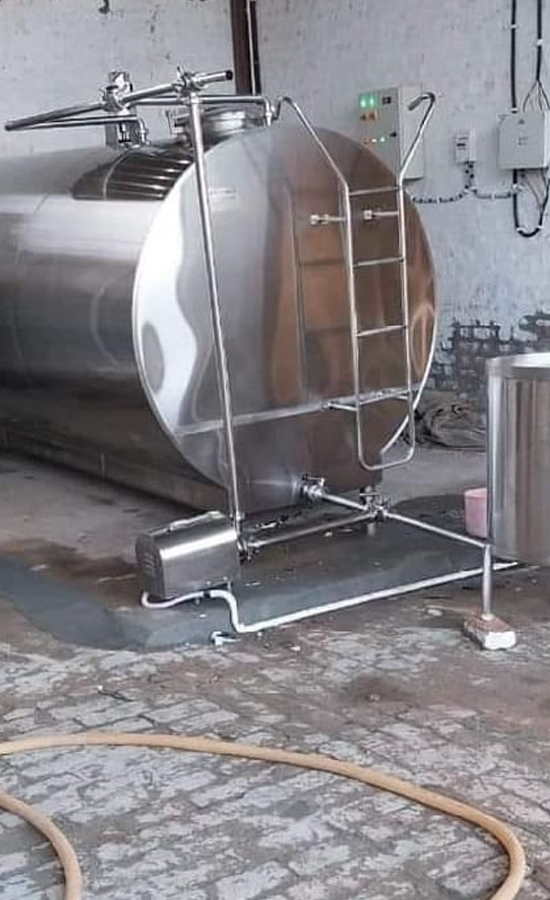
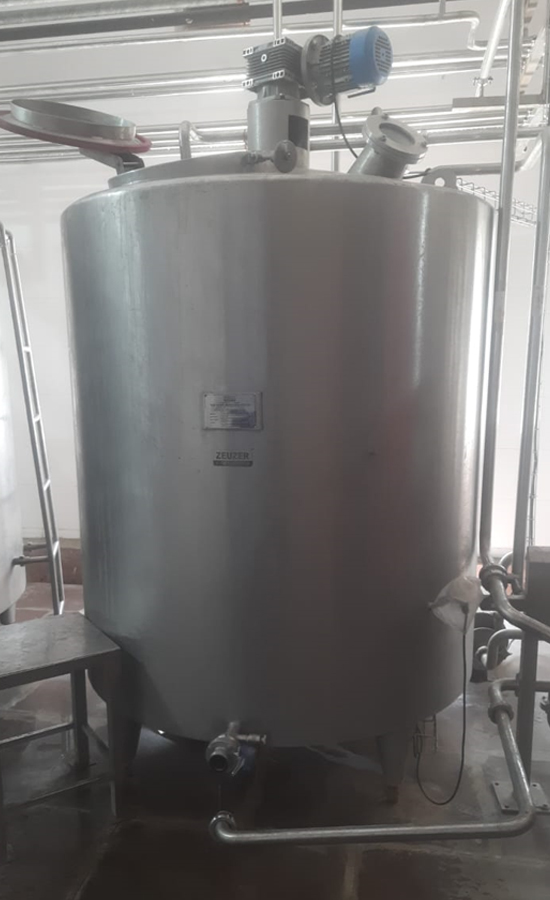
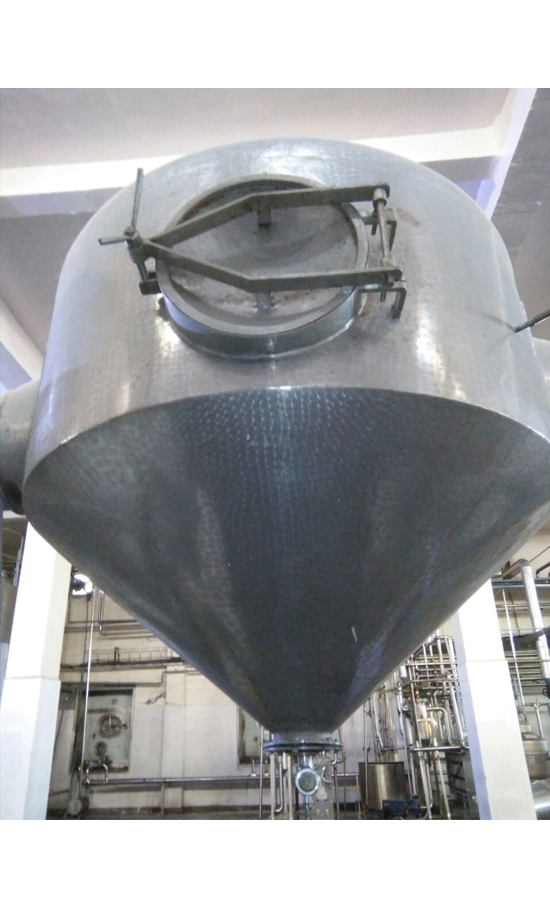
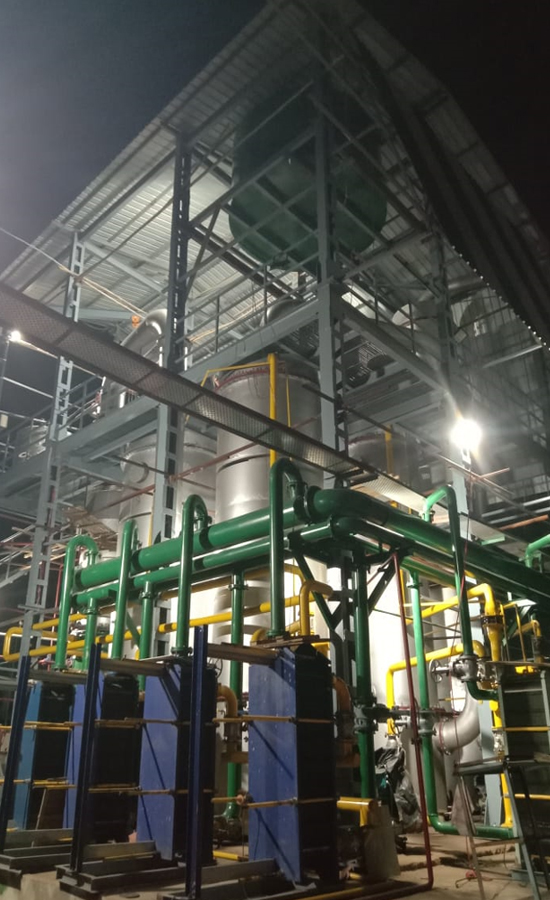
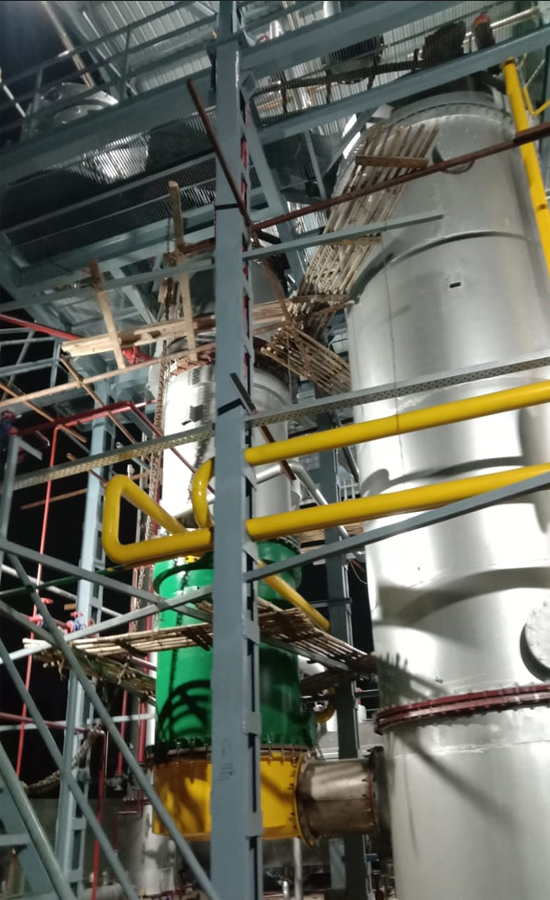
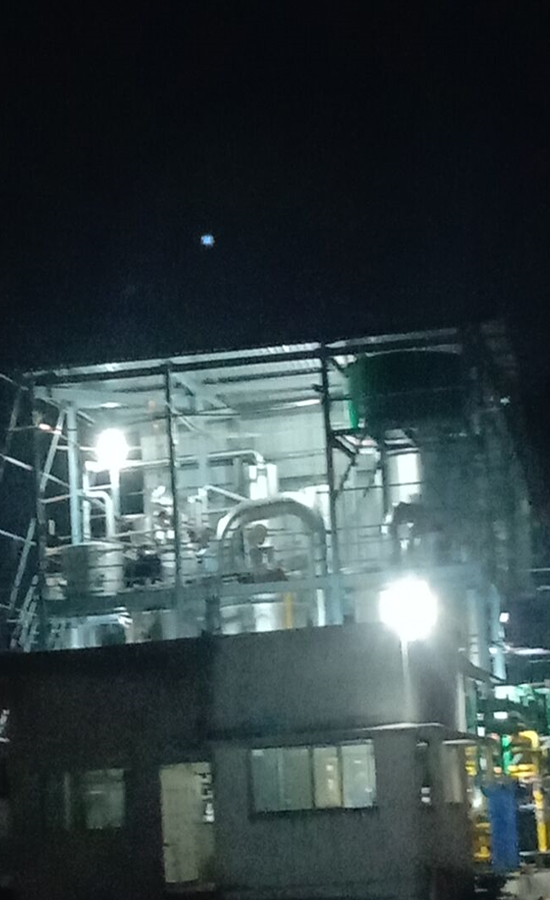
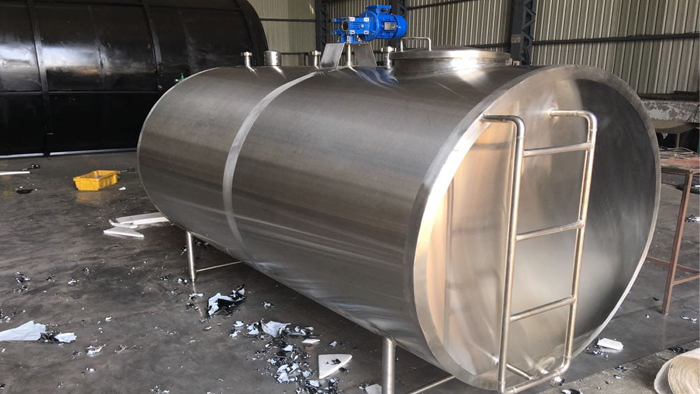
Ready to scope your formaldehyde plant?
Share your target capacity and concentration spec — we'll send back a feasibility note and capex estimate within 24 hours.